
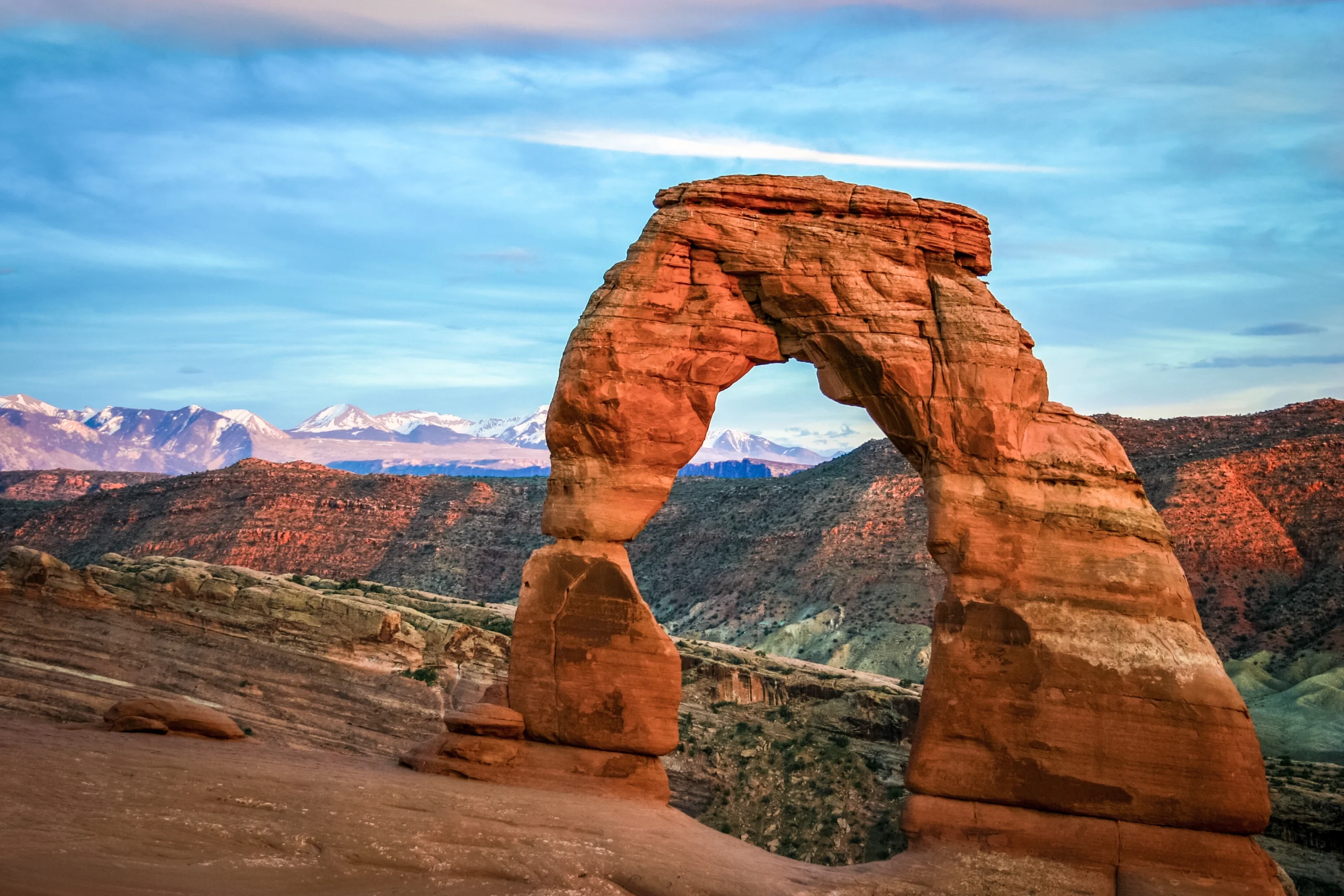
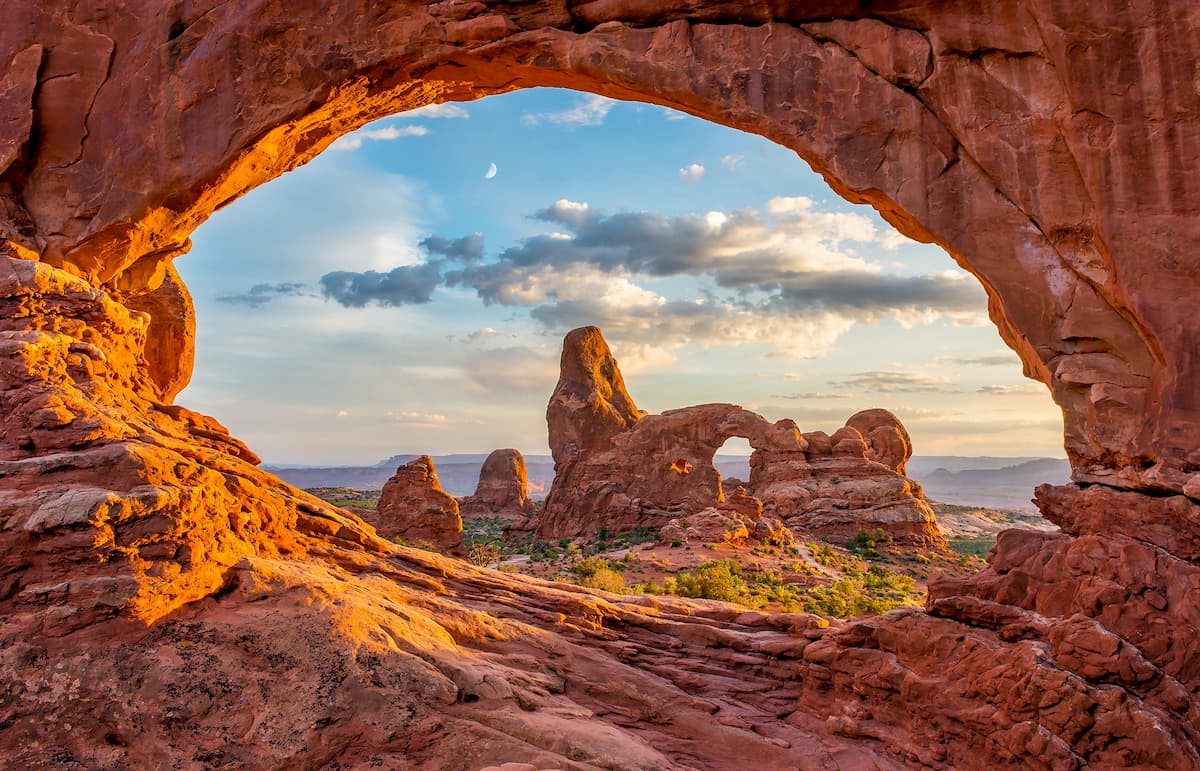
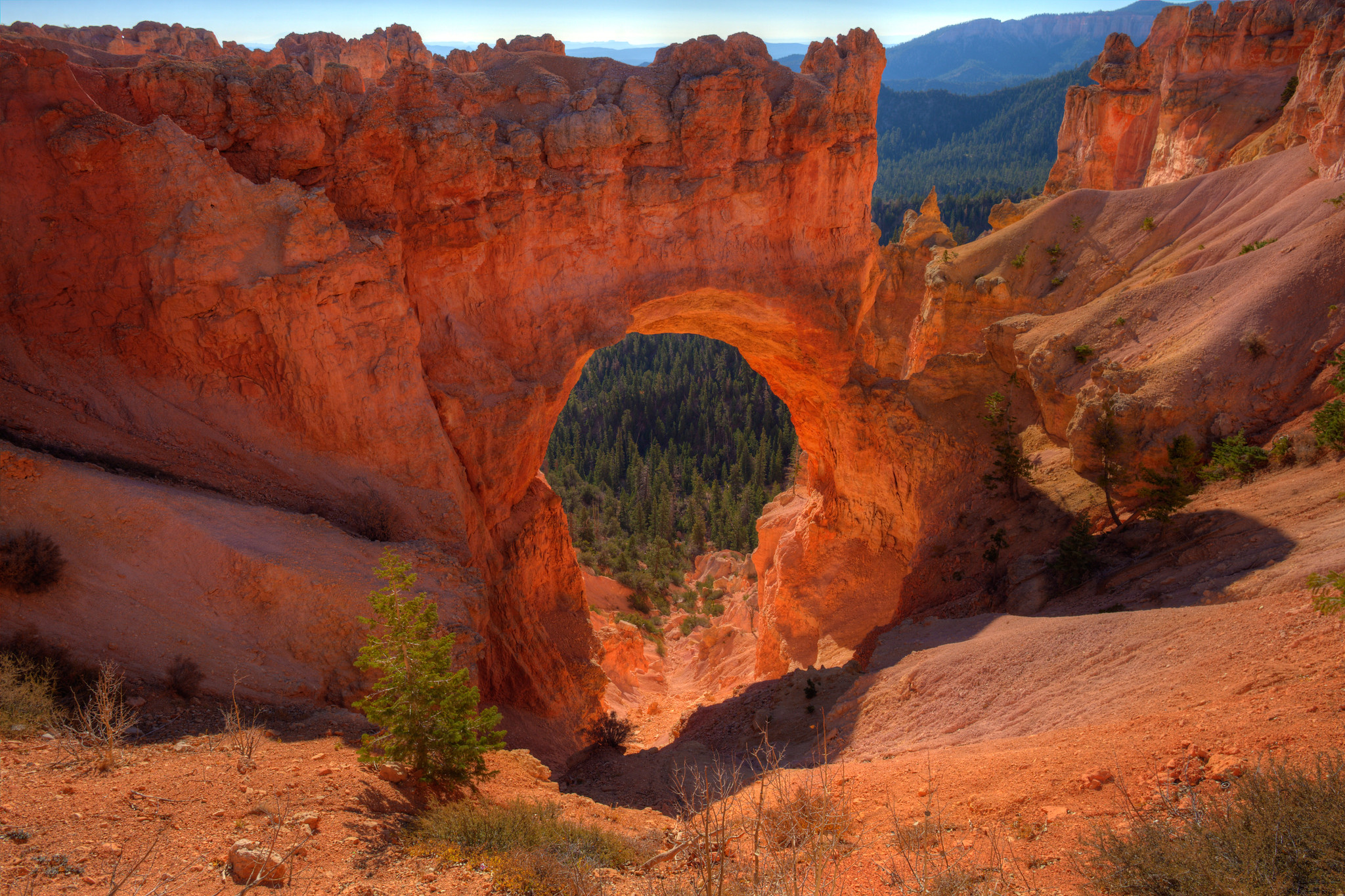
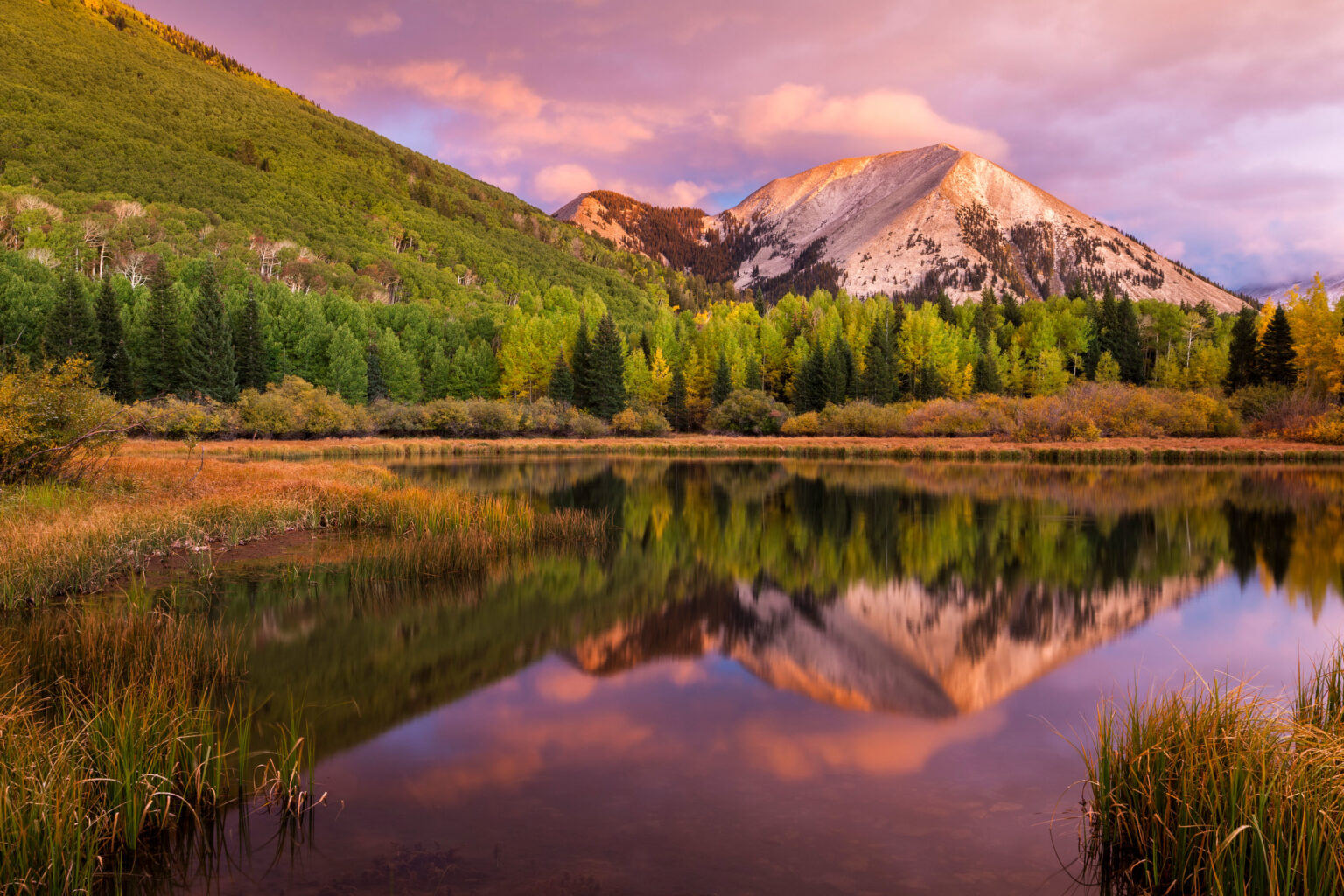
From the towering, snow-capped peaks of the Wasatch Front to the striking red rock slot canyons of Southern Utah, living in the Beehive State means having world-class nature right in our backyard. For many of us, the mountains and deserts are our playground. But did you know they can also be one of your most powerful tools for mental health?
At Liberated Mind, we know that true mental wellness often requires a holistic approach. While therapy is a vital space for processing and healing, the environment we immerse ourselves in plays a massive role in regulating our nervous systems.
Here is how you can transform your next Utah hike, walk, or camping trip from a simple workout into an active practice for stress relief and mental wellness.
The Science Behind the Scenery: Ecotherapy in Utah
“Ecotherapy” is the psychological practice of engaging with nature to boost mental and physical well-being. It isn’t just a poetic idea; it is grounded in hard science. See #8 on our Top 10 List as well as the link you’ll find there.
Studies show that spending time in natural environments directly lowers cortisol (the stress hormone), reduces blood pressure, and calms the sympathetic nervous system: the part of your brain responsible for the “fight or flight” response.
In Utah, we live in a culture that often values constant productivity and hustle. Stepping onto a trail forces a change of pace. The fractal patterns of pine trees, the sound of a creek, and the expansive views over our valleys naturally induce a state of “soft fascination.” This allows a fatigued, overworked brain to rest, restore its attention span, and ease the symptoms of high-functioning anxiety.
3 Ways to Practice Outdoor Mindfulness in Utah
You don’t need to scale Mount Timpanogos or hike Angels Landing to reap the mental health benefits of the outdoors. The goal is connection, not just exertion. Try these outdoor mindfulness techniques:
1. Somatic Grounding on the Trail
When anxiety spikes, we tend to live entirely in our heads, disconnected from our bodies. Somatic grounding pulls you back to the present. The next time you are outside, try the 5-4-3-2-1 technique using the Utah landscape:
- 5 things you can see: (e.g., a scrub oak leaf, the red tint of the soil, a cloud over the peak).
- 4 things you can feel: (e.g., the rough bark of an aspen, the breeze on your neck, the crunch of gravel under your boots).
- 3 things you can hear: (e.g., a magpie calling, wind in the pines, your own steady breath).
- 2 things you can smell: (e.g., sagebrush, damp earth).
- 1 thing you can taste: (e.g., the crisp mountain air or a sip of water).
2. Mindful Movement
Instead of treating your hike or walk like a race to the summit, try walking mindfully. Notice the biomechanics of your body. Feel the way your heel strikes the dirt and your toes push off. If your mind wanders to your to-do list or an anxious thought, gently acknowledge it, and then redirect your focus back to the physical sensation of walking.
3. The “Sit Spot” Practice
Find a quiet spot near your home: it could be a bench at a local park, a rock in the foothills, or even your back porch. Make it a habit to visit this exact spot regularly for just 10 minutes. Watch how the landscape changes with the seasons. This practice fosters a deep sense of belonging and stillness, countering the chaotic pace of daily life.
Beating the Winter Blues: Navigating Inversion and SAD
We can’t talk about mental wellness in Utah without addressing the winter. Between the shorter days and the dreaded inversion layer that traps smog in our valleys, the winter months can be incredibly challenging. Seasonal Affective Disorder (SAD) and “cabin fever” are very real struggles for Utahns.
This can also be very real during the summer months; feeling trapped by the excessive heat of the Utah desert.
When the valley is gray or the desert heat excessive, prioritize doing things that get your outside despite the challenges. For example, getting above (or outside of) the inversion layer, if you can. Even an hour of sunshine above the smog can dramatically improve your mood and vitamin D levels. If escaping the valley isn’t possible, prioritize daily walks during peak daylight hours, consider light therapy boxes, and bundle up to feel the crisp air, even if it’s just for five minutes.
If the heat is your concern, work on finding time to get outside during the quiet morning hours or after the sun sets.
Professional Support When the Trail Isn’t Enough
Nature is incredible medicine, but it is not a cure-all. When burnout, anxiety, or depression become too heavy to carry alone, it’s okay to ask for help.
At Liberated Mind, we offer a safe, compassionate space to help you navigate moments of “meh”. Through our accessible online therapy services available anywhere in Utah, we can help you build the tools you need to find peace, both on the trail and in your daily life.
Reach out to schedule your free consultation today, and let’s get to work.
—
This post does not constitute therapeutic counseling or advice; the contents of this post are provided as a learning resource. We share the contents hoping that if you are in need of mental health support you will reach out to us directly or to a mental health professional in your area.
Share this message and then subscribe to this newsletter by signing up below.