
Back in July, we talked about how the extreme Western heat wave was impacting our mental health and the agitated, restless reality of “Summer SAD”. Now, with November here and daylight saving time behind us, the pendulum in the Intermountain West has swung to the opposite extreme.
The sun is setting before the workday ends, the crisp autumn air is giving way to freezing temperatures, and across the valleys of Utah and the basins of Colorado, a familiar seasonal weight is settling in.
If you have noticed your energy tanking, your motivation evaporating, or a persistent feeling of “meh” creeping into your mornings, you aren’t imagining it: and you certainly aren’t broken. Living in the Mountain West means navigating a unique environmental trifecta every winter: vanishing daylight, temperature inversions, and high altitude.
Understanding how our regional geography interacts with your nervous system is the first step toward dropping the self-judgment and building a winter routine that actually supports your mental health.
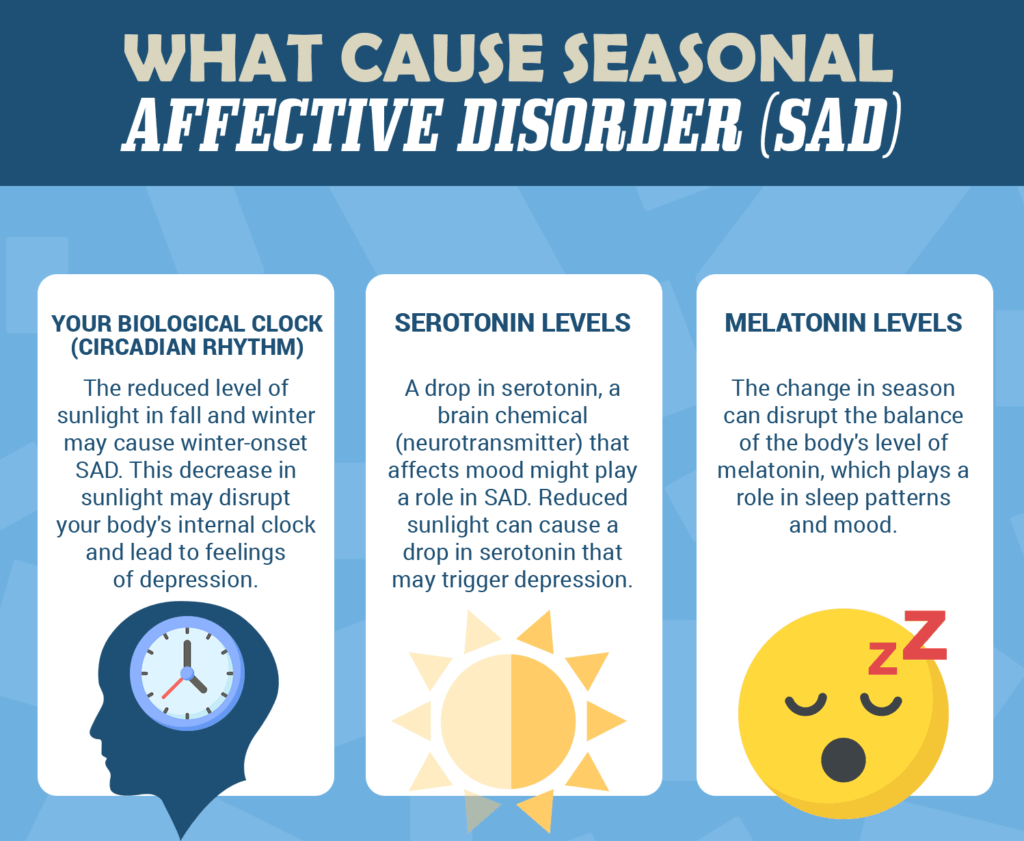
The Intermountain Trifecta: Why Winter Hits Harder Here
Most people associate Seasonal Affective Disorder (SAD) strictly with shorter days. While reduced sunlight disrupts our circadian rhythms and drops our vitamin D levels, residents along Utah’s Wasatch Front, Cache Valley, and Colorado’s Front Range and Western Slope face two additional biological stressors:
1. The Psychological Weight of the “Inversion Bowl”
During a winter temperature inversion, a layer of warm air acts like a lid over our mountain valleys, trapping cold air, fog, and particulate pollution (PM 2.5) on the valley floor.
- The Visual Ceiling: Days of gray, stagnant haze physically block out the winter sun that usually makes mountain living so restorative.
- Neuroinflammation: Emerging clinical research shows that trapped air pollution doesn’t just irritate your lungs, exposure to elevated particulate matter triggers systemic inflammatory markers that correlate directly with spikes in depressive symptoms, brain fog, and anxiety.
- Behavioral Hibernation: When the air quality index turns orange or red, we naturally stay indoors, cutting us off from two of our greatest mental health buffers: movement and connection.
2. High Altitude and the Serotonin Shift
Whether you live at 4,300 feet in Salt Lake City, 5,280 feet in Denver, or higher up in a mountain town, your brain operates in a state of mild, chronic hypobaric hypoxia (lower atmospheric oxygen). Because oxygen is a required cofactor for your body to synthesize serotonin from tryptophan, high-altitude living naturally alters serotonin and dopamine production. When you combine baseline altitude effects with the sudden drop in November sunlight, your neurochemistry feels the dip twice as acutely.
Rebuilding Your Foundation: The “SDE” Pillars in Winter
At Liberated Mind, we don’t view depression or seasonal numbness as a personal failing, nor do we expect you to overhaul your life overnight. Before diving into heavy existential questions, we always ask our clients to take an honest, compassionate look at the three foundational pillars of well-being: SDE (Sleep, Diet, and Exercise).
When winter sets in across Utah and Colorado, your SDE strategy needs a seasonal recalibration:
- Sleep (Anchoring Your Circadian Clock): Darkness triggers melatonin production early in the evening, while gray inversion mornings fail to shut it off. Instead of sleeping in later and later—which worsens grogginess—anchor your wake time and get 10,000 lux of bright light therapy (or high-elevation morning sunlight above the haze) within 30 minutes of waking.
- Diet (Fueling Neurotransmitters): Winter brain fog often triggers cravings for quick carbohydrates and sugar, which lead to afternoon energy crashes. Prioritizing protein, omega-3 fatty acids, and vitamin D supplementation gives your brain the raw materials it needs to support serotonin synthesis at high altitude.
- Exercise (Moving Despite the Gray): When an inversion traps bad air in the valley, using nature as medicine takes a little creativity. If you can’t get above the inversion line for a hike or snowshoe, shift to indoor resistance training, yoga, or gentle movement at home. Even 15 minutes of intentional movement helps metabolize stress hormones and thaws out physical lethargy.
Practicing Psychological Flexibility When Your Mind Wants to Hibernate
Fixing your physical foundation is vital, but winter also brings a noisy inner critic. You might catch your mind telling you: “I shouldn’t feel this tired,” “Everyone else is out skiing and loving winter…what’s wrong with me?” or “I just need to wait until spring to feel like myself again.”
In Acceptance and Commitment Therapy (ACT), we work on developing psychological flexibility: an active, collaborative process of changing how you relate to difficult thoughts and physical sensations.
- Practice Self-Compassion Over Shame: Separate your inherent self-worth from your winter energy levels or productivity. Your body is responding to a demanding environment; treating yourself with harsh judgment only adds secondary suffering on top of biological fatigue.
- Unhook from the “Hibernation Story”: When depression whispers that you should cancel plans, isolate, and pull the covers over your head, practice cognitive defusion. Notice the thought (“I’m having the thought that I don’t have the energy to see my friend tonight”) without letting that thought drive the car.
- Choose Committed Action Toward Your Values: You don’t have to wait for the sky to clear or your mood to lift before doing what matters. Ask yourself: What do I want my life to be about right now? Whether you are navigating a major life or faith transition, working through men’s mental health challenges, or simply trying to stay present with your partner, small values-aligned actions keep you connected to meaning even on the grayest days of the year.
You don’t have to stay stuck in the dark waiting for the spring thaw. By combining practical lifestyle adjustments with individualized, evidence-based therapy, you can step out of winter survival mode and build a life that feels grounded and connected in every season.
Frequently Asked Questions
Can I see a Liberated Mind therapist if I live in Colorado or rural Utah?
Yes! While our primary offices are in Salt Lake City and St. George, we provide HIPAA-compliant telehealth and online counseling to clients across all of Utah and Colorado. Whether you live in Denver, Boulder, Grand Junction, Park City, Moab, or a rural mountain community, you can access our specialized ACT therapy, depression counseling, and life transitions support from the comfort and privacy of home—no winter driving required.
How does your free 15-minute Zoom consultation process work?
Starting therapy shouldn’t add to your stress. When you request a free 15-minute video consult, we’ll meet briefly over Zoom to get to know you, hear what you’re navigating, and talk about what you’re hoping to get out of therapy. You don’t need to show up with everything figured out—part of our work is building that picture together. We’ll explain how our collaborative, between-session approach works and make sure we’re the right fit for your needs before you ever commit to a full session.
— This post does not constitute therapeutic counseling or advice; the contents of this post are provided as a learning resource. We share the contents hoping that if you are in need of mental health support you will reach out to us directly or to a mental health professional in your area.
Share this message and then subscribe to this newsletter by signing up below.